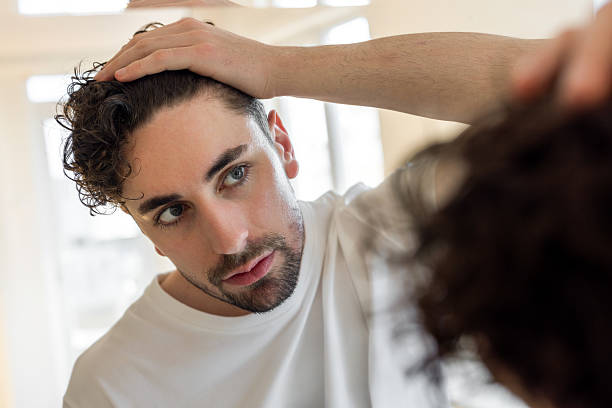
Dandruff is a common headache, but for men, it often feels like an uphill battle. There is nothing more frustrating than putting on a sharp black shirt, only to look down and see white flakes dusting your shoulders. It is annoying, embarrassing, and highly stubborn.
But you don’t have to live with it. In this comprehensive guide, we are breaking down the science of dandruff in men, why it happens, and how you can get rid of it once and for all.
What is Dandruff? (The Basic Understanding)
At its core, dandruff is simply your scalp shedding dead skin cells at an accelerated rate.
Normally, your skin cells renew and shed invisibly. However, when your scalp’s natural shedding cycle is disrupted, these dead cells clump together with sebum (natural scalp oil), creating those visible, annoying white or yellowish flakes. This cycle is often accompanied by itching, redness, and scalp irritation.
Why is Dandruff More Common in Men?
If you feel like men get hit harder by dandruff than women, you are absolutely right. Science backs this up due to a few key biological factors:
- Male Hormones (Androgens): Testosterone triggers higher oil production on the scalp.
- Larger Sebaceous Glands: Men have larger oil glands, creating a perfect environment for dandruff-causing microbes.
- Product Build-up: Men frequently use styling waxes, clays, and heavy gels that trap dirt and oil on the scalp. To avoid these styling traps, read our Ultimate Guide to Mullet Styles to find a look that suits you without damaging your scalp.”
Main Causes of Dandruff in Men
Understanding why your scalp is flaking is the first step to curing it. Here are the main culprits:
1. Malassezia (Fungus Growth)
This is a naturally occurring, yeast-like fungus present on everyone’s scalp. It feeds on the natural oils (sebum) your scalp secretes. When your scalp produces excess oil, Malassezia multiplies rapidly, causing irritation that forces your scalp to produce and shed skin cells way too fast.
2. Seborrheic Dermatitis (Oily, Irritated Skin)
If your flakes are yellowish, greasy, and accompanied by red, irritated skin, you might have Seborrheic Dermatitis. This condition affects oil-rich areas of the body and can show up not just on your scalp, but also on your eyebrows, nose, and ears.
3. Scalp Dehydration (Dry Skin)
Unlike oily dandruff, dry scalp dandruff consists of small, dry, white flakes. This usually happens during colder months, dry climates, or if you wash your hair with excessively hot water, stripping your scalp of its natural moisture.
The Beard Factor — Understanding “Beardruff”
If you have facial hair, you might have noticed dandruff flakes falling from your chin. This is commonly known as Beardruff.
Just like your scalp, the skin under your beard can become incredibly dry or overly oily. When you grow a beard, the hair draws moisture away from the skin’s surface, leaving the underlying skin dry and prone to flaking. Furthermore, facial hair traps dead skin cells and sebum, making it a breeding ground for the same Malassezia fungus.
Quick Beardruff Fix: Never use regular scalp shampoo on your face. Instead, wash your beard with a dedicated beard wash and apply a few drops of non-comedogenic beard oil daily to hydrate the underlying skin.
[Ima
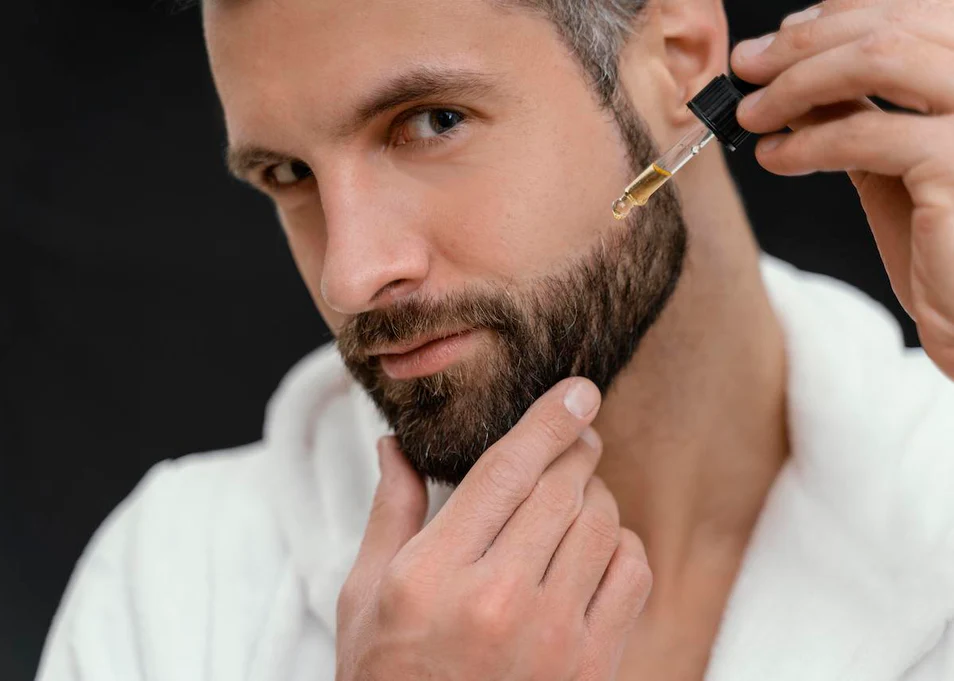
A close-up of a man applying beard oil to his beard to prevent beard dandruff.
The Gym & Sweat Connection
Do you hit the gym regularly? While working out is great for your health, dried sweat on your scalp is a major trigger for dandruff.
Sweat contains salt, which can dry out your scalp, while the moisture creates a humid environment where fungus thrives.
The Fix:
- Wash your hair with lukewarm or cool water immediately after a heavy workout session.
- If you cannot wash your hair daily, at least thoroughly rinse your scalp with clean water to remove sweat and salt buildup.
Fixes: Medically Recommended Treatments
Getting rid of dandruff permanently requires a targeted approach. Try these expert-recommended habits:
1. Regular Scalp Exfoliation
Use a gentle scalp scrub containing salicylic acid once a week. This physically lifts away dead skin, product build-up, and unclogs your hair follicles.
2. Diet and Lifestyle Adjustments
What you put inside your body reflects on your skin and hair.
- Boost Zinc and Vitamin B: Eat more eggs, leafy greens, nuts, and lean meats.
- Manage Stress: High stress levels spike cortisol and other hormones, which can trigger scalp oiliness and worsen dandruff.
3. Seek Professional Advice
If your scalp remains intensely itchy, red, or starts bleeding, you may be dealing with psoriasis or eczema. For safe and clinically proven advice, check out the guidelines on the American Academy of Dermatology Association
Best Anti-Dandruff Shampoos for Men
| Active Ingredient | What It Targets | Popular Brand Example |
|---|---|---|
| Ketoconazole | Severe dandruff & fungal infections | Nizoral A-D |
| Zinc Pyrithione | Mild dandruff & daily oil control | Head & Shoulders / American Crew |
| Salicylic Acid | Scalp build-up & dry flakes | Bare Anatomy / Neutrogena T/Sal |
| Selenium Sulfide | Severe flaking, redness & itchiness | Selsun Blue |
Pro-Tip for Men: How to Properly Use Anti-Dandruff Shampoo
- Wet your hair and massage the shampoo thoroughly into your scalp (not just your hair strands).
- Leave it on for 3 to 5 minutes to let the medicine work.
- Rinse thoroughly with cool or lukewarm water (avoid hot water, as it dries out the scalp).
Common Anti-Dandruff Mistakes to Avoid
- Over-washing Your Hair: Washing your hair multiple times a day strips natural oils, forcing your scalp to produce even more sebum to compensate.
- Using Heavy Styling Products on the Scalp: Keep hair gels, clays, and waxes away from your roots. Apply them only to the tips and shaft of your hair.
- Scratching Your Scalp: Scratching might temporarily relieve itching, but it damages the skin barrier, introduces bacteria from your fingernails, and makes the inflammation worse.
Conclusion
Dandruff in men is incredibly common, but it is highly treatable. By keeping your scalp clean, choosing the right active ingredients, addressing facial hair hygiene, and maintaining a consistent washing routine, you can easily reclaim a flake-free, healthy scalp.